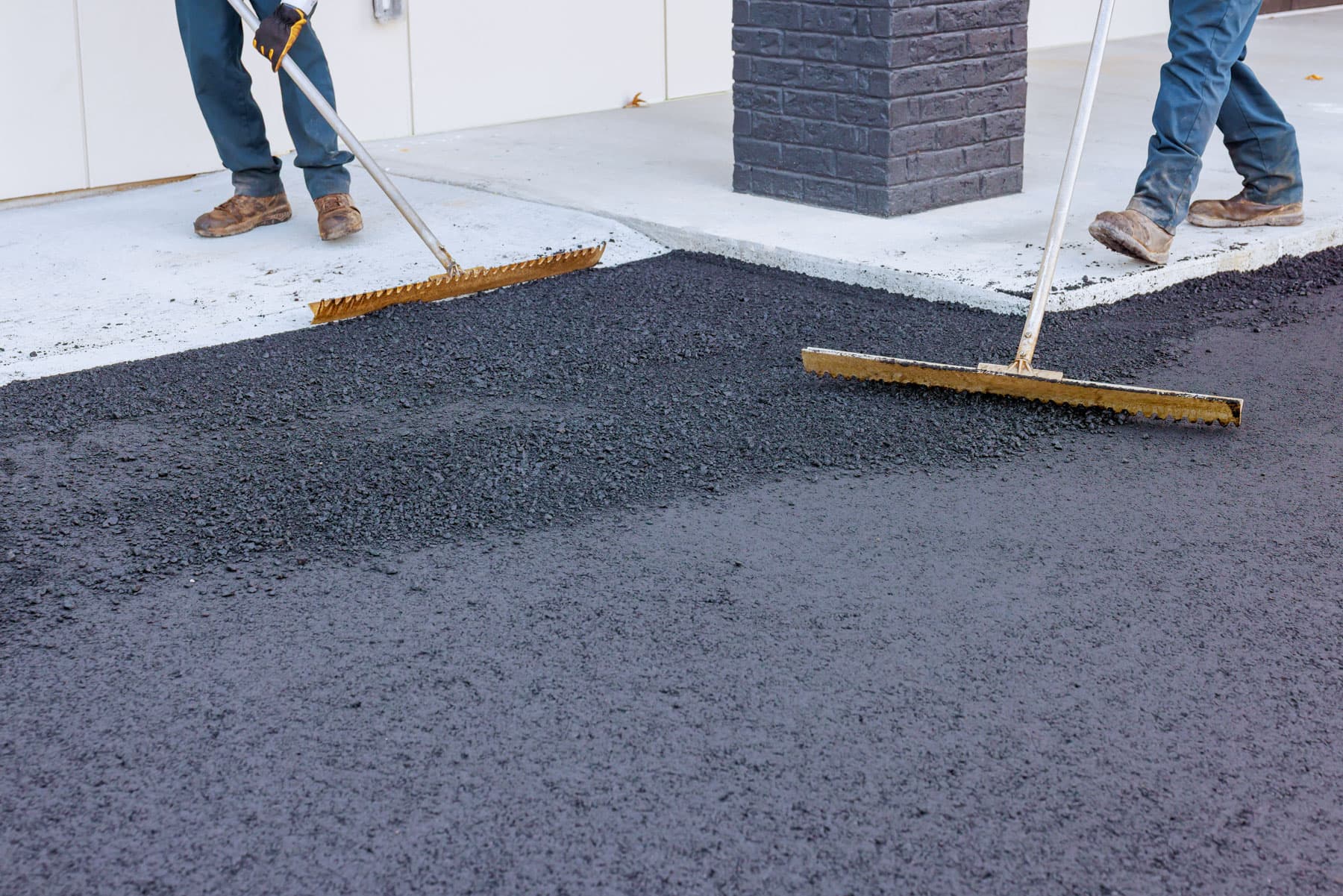
Asphalt Driveway Maintenance Guide for Surrey, BC Homeowners
Maintaining an asphalt driveway in Surrey's wet climate is straightforward if you know the schedule. Sealcoat every few years, seal cracks before fall, keep oil off the surface, and you'll get 25 to 30 years from a well-built driveway.
Why maintenance matters more in a wet climate
Asphalt driveways in Surrey face a specific challenge: prolonged rain from fall through spring. Water is the main thing that shortens asphalt's life. It gets into cracks, softens the base, and breaks the surface apart.
The good news is that maintenance is straightforward and not expensive. A simple routine, done on a consistent schedule, keeps water out and adds years to the driveway. Here's what that looks like.
The maintenance schedule that actually works
New driveway, first year: let it cure. Fresh asphalt takes several months to fully harden. Avoid heavy vehicles, sharp turns with power steering in place, and anything that might mark the surface while it's still curing. Don't sealcoat it yet.
Months 6 to 12: first sealcoat. Once the driveway has cured fully, a first coat of sealer closes the surface pores and starts protecting the binder from Surrey's rain and UV.
Years 2 to 4: sealcoat again. Every two to four years is the right window here. Sooner if the surface looks faded and dry. Later is fine if the surface still looks well-sealed.
Every fall: walk the driveway and check for cracks. Seal anything you find before the wet season starts. A small crack in September is easy and inexpensive to fix. The same crack in March, after a winter of rain cycling through it, may have grown into a pothole.
As needed: clean oil and fuel spills quickly. These break down asphalt binders faster than anything else.
Sealcoating: the most important thing you can do
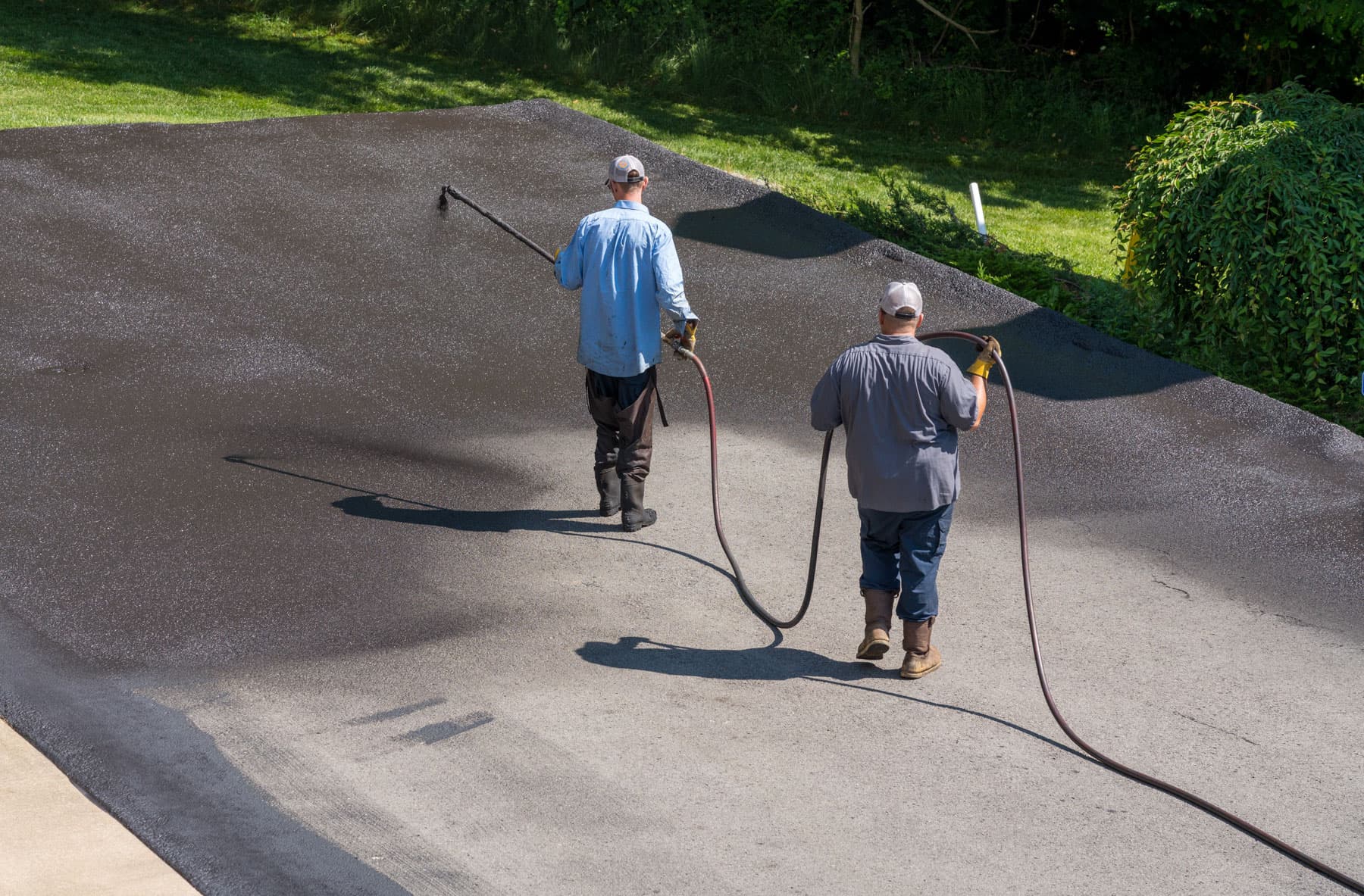
Sealcoating is the single most effective maintenance step for an asphalt driveway in Surrey. It does three things: it fills the small surface voids that water enters through, it protects the asphalt binders from UV oxidation that makes asphalt brittle, and it restores the dark, sharp look of a newer surface.
A fresh seal on an older driveway can add five or more years to the surface life. It's also the least expensive driveway maintenance you can do relative to what it returns.
Timing matters. Sealcoating needs dry weather and temperatures above around 10°C to bond and cure properly. Late spring through early fall is the right window in Surrey. Don't try to seal in the rain or in late October when the weather is already turning.
Let new asphalt cure fully before the first seal, and don't over-seal. Applying sealer too frequently builds up a thick, brittle layer that cracks and peels. Every two to four years is the right pace for most Surrey driveways.
Crack sealing before winter
Crack sealing is the other essential fall task. Look for cracks across the surface and along the edges. Even small ones let water through.
Hot rubberized crack sealant, applied professionally, bonds to the crack walls and flexes with the asphalt through seasonal temperature changes. It lasts significantly longer than cold-pour DIY products.
A good time to combine crack sealing and sealcoating is just before the fall rains arrive. Clean the surface, fill the cracks, let them set, then seal over the top. The driveway goes into winter properly protected.
Don't ignore edge cracks. The edges are where water enters most easily and where base erosion starts. Keeping the edges sealed is as important as the main surface.
Cleaning your asphalt driveway
Regular cleaning keeps asphalt looking good and prevents buildup that traps moisture against the surface. A stiff broom or a leaf blower handles debris. Pressure washing once a year removes embedded dirt and organic material like moss, which holds moisture and speeds up surface breakdown.
Oil and fuel spills need attention right away. Petroleum products soften asphalt binders. A fresh spill can be absorbed with kitty litter, then cleaned with a degreaser. Old oil stains that have soaked in won't fully come out, but cleaning them prevents further breakdown in that spot.
Moss and algae are common on Surrey driveways, especially on shaded north-facing sections. They hold moisture against the surface and accelerate cracking. A light application of a moss killer in fall, followed by sweeping, keeps it manageable.
Common mistakes that shorten driveway life
Parking an RV or heavy truck in the same spot repeatedly will indent an asphalt surface, especially in hot weather. Spread the load if you can, or use pads under the tires.
Using a metal snow shovel that scrapes the surface can damage fresh or older asphalt. A rubber-edged shovel or a snow blower is gentler.
Salt and sand used for winter traction aren't as damaging in Surrey as in colder climates, but sand builds up and holds moisture if it isn't swept off in spring. Rinse the driveway off after a frost event.
Skipping sealcoating for many years because the driveway 'looks fine' is the most common mistake. By the time asphalt looks noticeably worn, the UV damage to the binders is already done and cracking starts accelerating.
Frequently asked questions
- Every two to four years is the right schedule for most Surrey driveways. The wet climate and UV in our warm summers mean the surface benefits from regular protection. Don't seal more often than every two years, or the sealer builds up too thick and starts to peel.