How Long Does an Asphalt Driveway Last in Surrey, BC?
A well-built asphalt driveway in Surrey lasts 20 to 30 years. What decides whether yours hits that number or falls apart at year ten comes down to three things: the base, the drainage, and how well you maintain the surface.
The short answer: 20 to 30 years, if it's built right
A well-built asphalt driveway in Surrey, BC lasts between 20 and 30 years. That's the range most paving contractors will give you, and it's honest. But the difference between a driveway that makes it 30 years and one that's crumbling at 12 comes down almost entirely to how it was built, not the brand of asphalt.
The three things that matter most are the base, the drainage, and the surface maintenance. Get all three right, and a Surrey driveway holds up well through decades of rain. Skip any one of them, and you'll be looking at repairs or replacement far sooner than you should.
Why Surrey's climate is hard on asphalt
Surrey gets a lot of rain. Metro Vancouver averages around 1,150 mm of precipitation a year, and most of it falls between October and March. That matters for asphalt because water is the number one thing that shortens a driveway's life.
When water gets into cracks in the asphalt surface, it works its way down to the base. The base softens, shifts, and loses support. The surface above it starts to crack more, sink in spots, and eventually break up. This is how potholes start.
We don't get the heavy freeze-thaw cycles that Alberta or Ontario driveways deal with, but we do get consistent wet-dry cycles through our shoulder seasons. That movement still stresses the asphalt. A driveway that drains properly is far more resistant to it than one that sits in standing water.
What makes the biggest difference to lifespan
The base
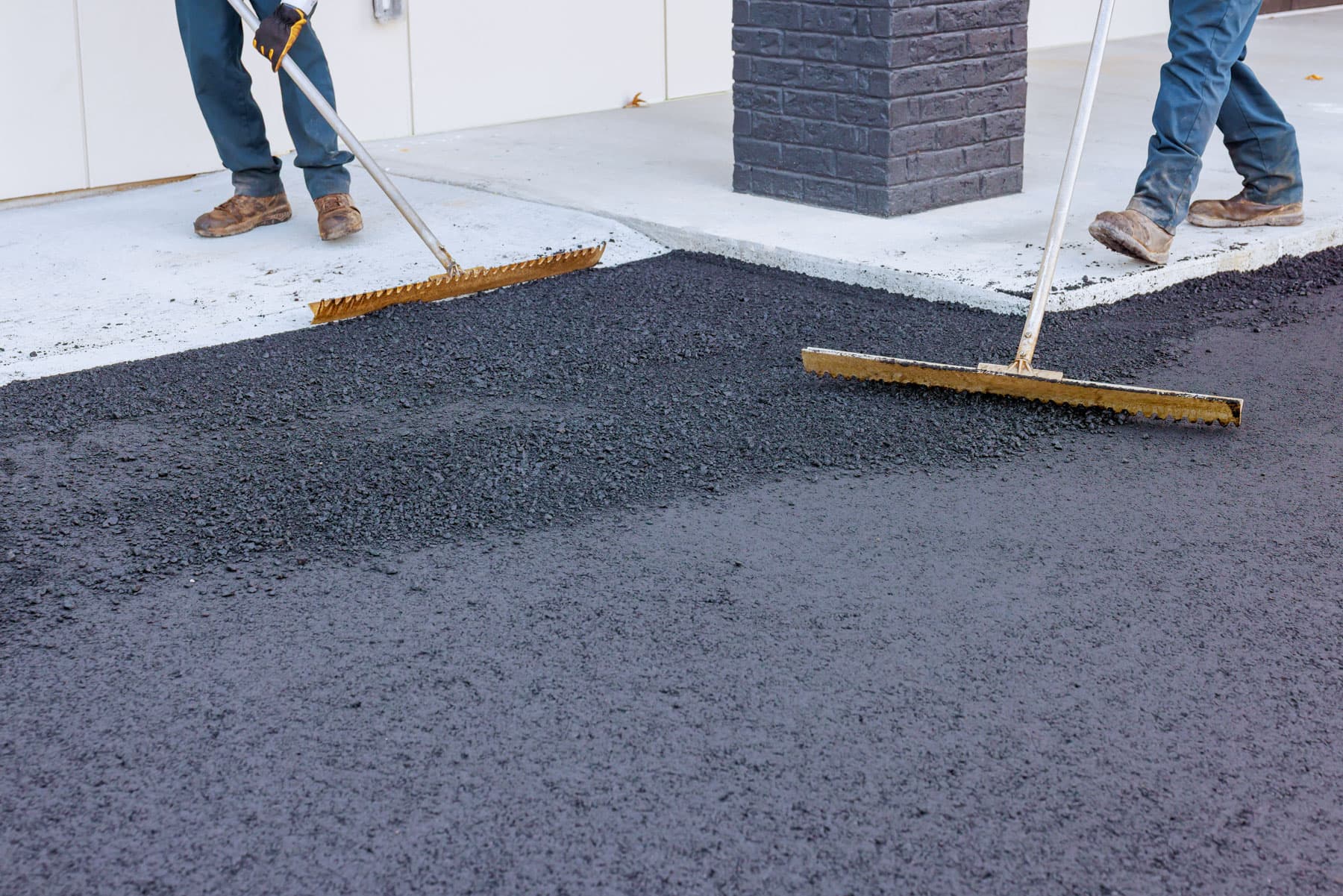
This is the single biggest factor. Most asphalt that fails early fails from the ground up. A proper residential driveway in Surrey needs several inches of compacted granular base before any asphalt goes down. That base distributes the weight of vehicles, prevents settling, and stops water from pooling underneath.
A lot of budget paving jobs cut corners on base depth or skip the compaction steps. The driveway looks fine for the first couple of years, then starts to crack and sink as the base shifts. There's no way to fix a bad base without tearing the driveway up.
Drainage
Grading is everything in a wet climate. A properly built driveway slopes away from the garage and the house so rainwater runs off to the sides. Even a small grade change makes a big difference. A driveway that holds water in a low spot will degrade from the inside out, and no amount of sealcoating fixes bad drainage.
This is why we pay close attention to grade on every job we do. A few minutes of careful work with the equipment before the asphalt goes down can add years to the finished surface.
Surface maintenance
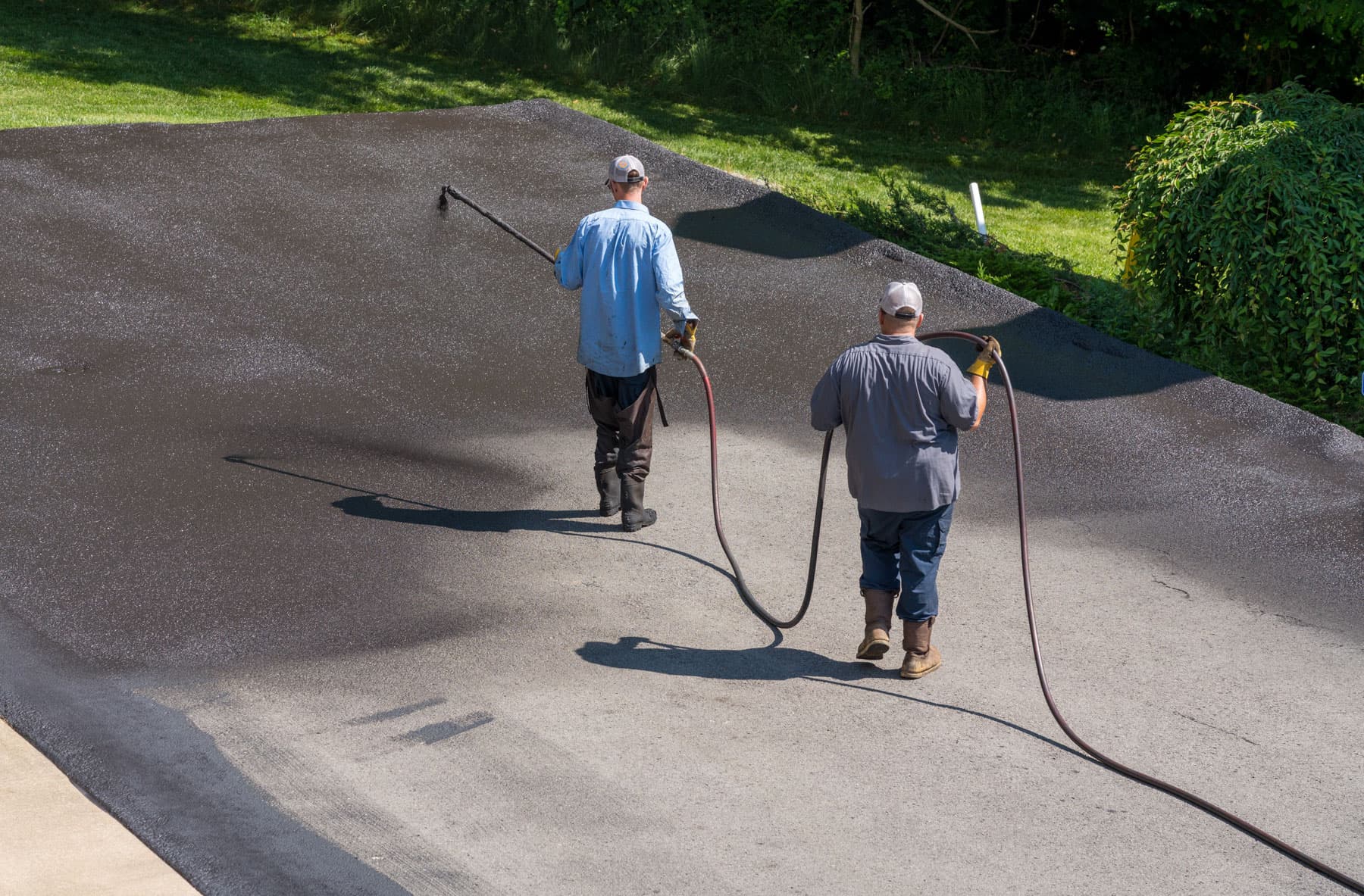
Asphalt is porous and breaks down over time when exposed to UV and water. Sealcoating every two to four years closes those pores, protects the surface, and slows down oxidation. It's the cheapest maintenance you can do.
Crack sealing matters just as much. Small cracks are fine on their own. Left untreated through a Surrey winter, they let water in, the base softens, and that small crack becomes a large pothole. Catching cracks early and sealing them is what separates a 30-year driveway from a 15-year one.
Signs your asphalt driveway is nearing end of life
Not every old driveway needs replacing. A surface that's faded and has a few cracks may just need sealcoating and crack sealing. But there are signs that tell you the driveway is past maintenance and heading toward replacement.
Wide, branching 'alligator cracks' across a large area mean the base has failed beneath the surface. You can't patch your way out of that. Sunken or uneven areas where water pools, or spots where the driveway flexes underfoot, also point to base failure. Multiple potholes spread across the surface, especially ones that keep coming back after patching, are the same story.
If the damage is limited to a few sections, resurfacing or targeted repair might extend the life another 10 years. If it's widespread, a full replacement on a proper new base is the better value. We'll always tell you honestly which one your driveway actually needs.
How to get the most years from your driveway
Start with a good build. The base and drainage have to be right from day one. No maintenance routine fixes a poorly built driveway.
Wait three to six months after a new paving job before applying the first sealcoat. The asphalt needs time to cure fully. After that, seal every two to four years and fill any cracks as soon as you spot them, before winter.
Keep oil and fuel spills cleaned up. Petroleum products break down asphalt binders and weaken the surface faster than anything else. And avoid parking heavy vehicles like RVs or dump trucks in the same spot repeatedly. Asphalt is strong, but concentrated weight over time will indent a surface that hasn't been built for that load.
Frequently asked questions
- A well-built asphalt driveway in Surrey lasts 20 to 30 years. The main factors are the depth and quality of the base, how well the driveway drains, and whether the surface gets regular sealcoating and crack sealing.